
Turning Virginia’s Tech Boom into Taxpayer Wins
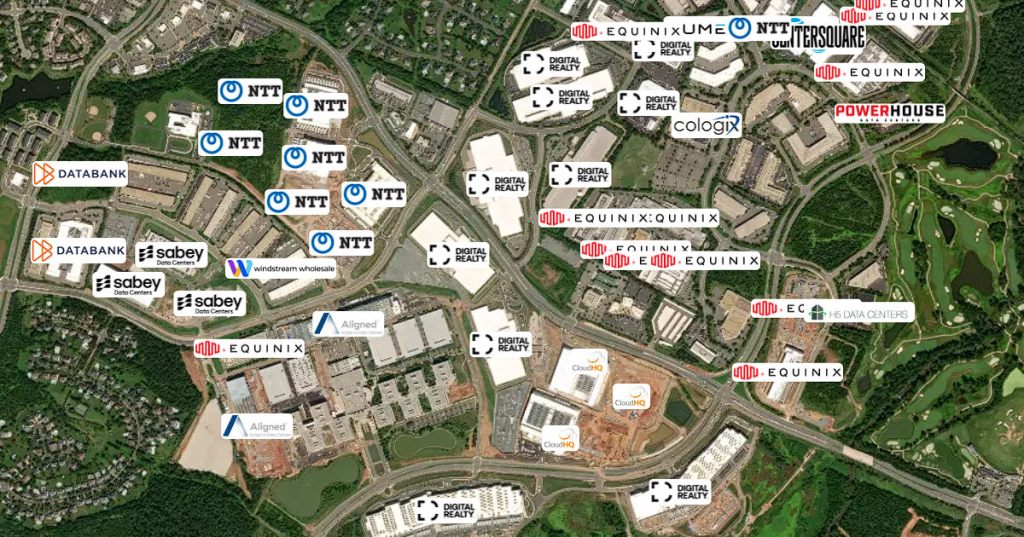
Virginia stands at the epicenter of the global data revolution, hosting over 300 data centers in Northern Virginia alone —the densest concentration worldwide, which handles approximately 70% of global internet traffic. This boom has fueled economic growth, but it’s time we ensure it benefits everyday Virginians, not just Big Tech and foreign workers.
The Hidden Costs of Virginia’s Data Center Dominance
Over the past decade, Northern Virginia has seen explosive growth, with permits for 54 new data centers filed in the first nine months of 2025 alone. These facilities support an industry that generated $31.4 billion in economic output and 78,140 jobs in 2023, including 12,140 operational roles. Sounds great, right? But dig deeper: many high-skilled positions are filled by H-1B visa holders, often overlooking qualified American workers due to lower costs and sponsorship incentives. With President Trump’s recent $100,000 H-1B fee hike, this could shift dynamics, but it underscores our need for policies that prioritize U.S. citizens, echoing our commitment to secure borders and strong national defense.
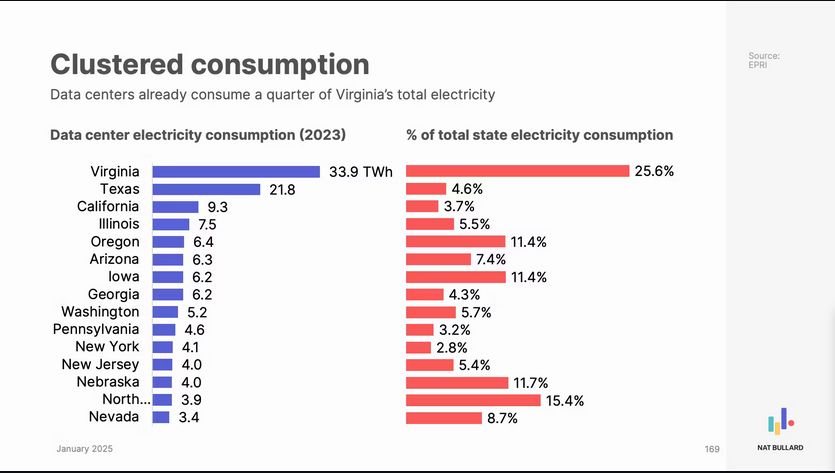
The real drain? Resources. Data centers now consume over 25% of Virginia’s electricity, with peak usage hitting 2.8 gigawatts in 2022—enough to power 750,000 homes per new facility. Water usage is equally staggering: Northern Virginia’s centers consumed nearly 2 billion gallons in 2023, a 63% increase from 2019, ranking them among the top 10 water-consuming industries nationwide. They also demand precious metals for hardware, bidding up costs that ripple into higher electricity, water, and even food prices for all Virginians.
Politicians sweeten the deal with massive tax breaks, like the sales and use tax exemption on equipment—extended through 2035—costing the state billions while average families shoulder income and property taxes. Meanwhile, these centers serve global users—from a beach in Bali to boardrooms in Beijing—who pay nothing toward Virginia’s infrastructure. Locally, we’re losing green spaces to concrete monoliths, threatening historic lands, ecosystems, and contributing to noise, light pollution, and diesel generator emissions that degrade air quality.
Why Green Mandates Miss the Mark
Some propose slapping solar panels on data centers, backed by tax credits and net metering that lets owners sell power back at retail rates—another subsidy handout. But this ignores reality: the Virginia Clean Economy Act (VCEA), pushing for 100% carbon-free electricity by 2050, has already driven an 11% rise in residential bills and a 23% overall increase in four years. Outlawing reliable fossil fuels while subsidizing intermittent solar and wind only hikes costs further, contradicting our Energy Freedom stance that innovation, not legislation, drives cleaner energy. We need balanced policies embracing fossil fuels and nuclear for reliability, not mandates that burden the poor.
A Bold, Innovative Solution: Data Center Dividends
Here’s the game-changer: Mandate that data centers—vast computing powerhouses—dedicate just 1% of their processing capacity to mining cryptocurrencies, converting the yields into five diverse stablecoins (e.g., USDC, BTC, or others). These digital assets would fund a state-managed wallet, distributed annually as dividends to Virginia taxpayers or credited against their state income taxes.
Data backs the potential: With Virginia’s centers topping 4,900 megawatts (MW) and growing, even 1% utilization could generate millions in value. This isn’t pie-in-the-sky – crypto mining leverages idle compute efficiently, turning a resource drain into revenue. It levels the playing field, ensuring global users indirectly contribute via the centers they rely on. Projections? Based on current crypto markets, this could offset tax breaks (which have recently increased by 1,051%) and provide $500–$1,000 per household annually, easing energy price pressures. As AI and cloud demand surges, this positions Virginia as a blockchain innovator, attracting more investment while protecting our resources.
This aligns perfectly with our mission: Empowering citizens, reducing government overreach, and fostering economic self-reliance. No more subsidies for unreliable energy; instead, harness tech for direct taxpayer benefits.
 Liberty Republicans